The Science Behind Canine Bed Bug Scent Detection Techniques
Updated: Nov 13
How We Train Bed Bug Detection Dogs — What Makes K9 Scent Detection So Accurate
By Bethany Ojumu, Tristate Bedbug Dogs
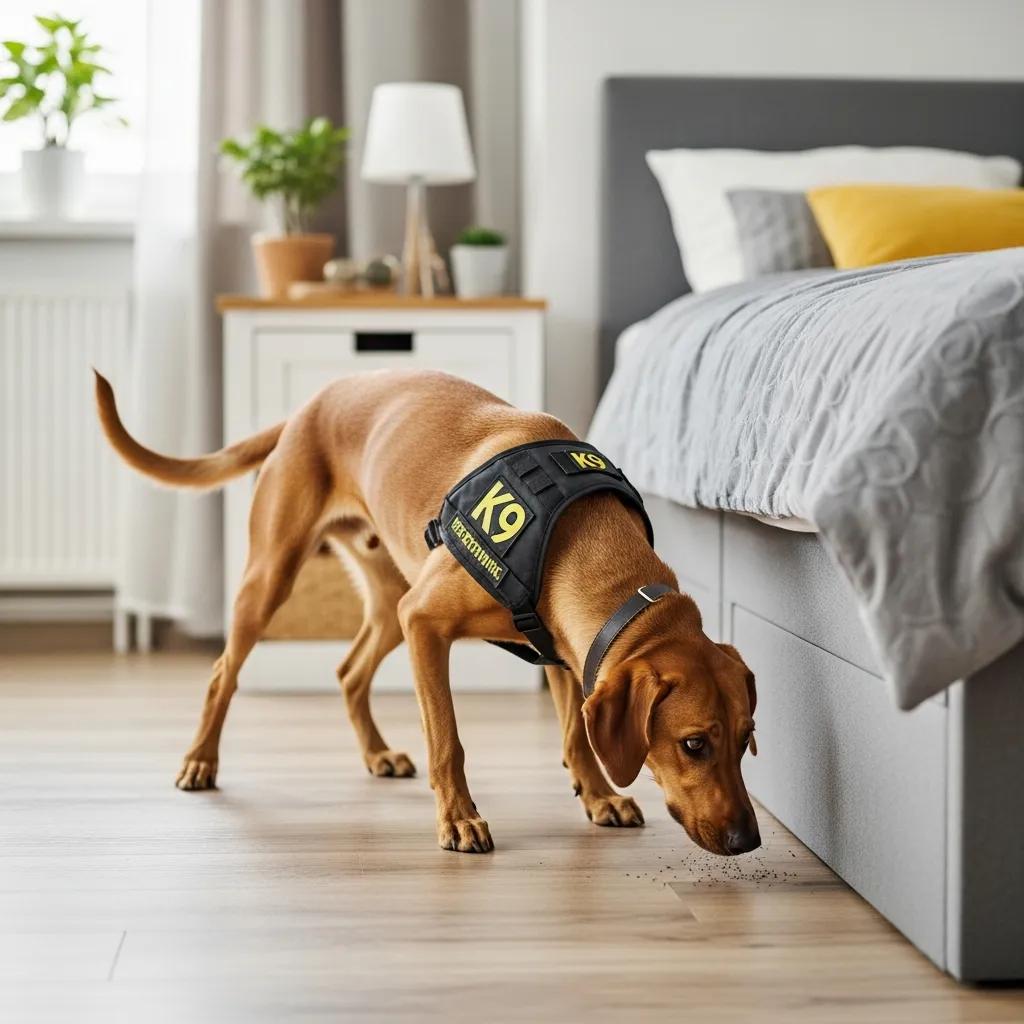
Bed bug detection dogs use an extraordinary sense of smell to find infestations with impressive accuracy. In this article we explain how K9 teams are trained, the biology behind canine scent detection, and the real-world factors that affect performance. Many property owners struggle to catch infestations early with visual checks alone. Trained dogs offer a reliable, fast, and minimally invasive way to locate bed bugs — giving property managers and homeowners clearer answers and faster solutions. Below, we cover training protocols, the underlying science, and the practical benefits of K9 inspections.
Training Methods
Training a bed bug detection dog combines structured scent work with positive reinforcement and careful quality control. Core techniques include scent discrimination training — teaching dogs to tell the bed bug odor apart from everyday smells — and reward-based systems that reinforce correct alerts. Accredited certification programs then verify that teams meet established accuracy standards.
After classroom and field work, dogs face practical evaluations to prove their skills. That formal training also strengthens the dog-handler bond, which is essential for reliable inspections. Trained K9s can pinpoint bed bugs in a wide range of settings, making them a valuable tool in integrated pest management.
Science Behind K9 Accuracy
Canine detection power starts with an amazing nose. Dogs have roughly 220–300 million scent receptors versus about 5 million in humans, so they can pick up the faint volatile organic compounds (VOCs) that bed bugs emit. Training channels that natural ability so dogs reliably recognize the bed bug scent signature even at very low concentrations.
Laboratory and field studies back up what handlers see in practice: properly trained dogs are highly effective at finding live bed bugs and viable eggs.
Canine Olfaction: Detecting Bed Bug VOCs Dogs use their olfactory system to detect the volatile organic compounds (VOCs) released by bed bugs. A well-trained bed bug detection dog functions as a sensitive, biological detector, and demand for odor-detection canines has increased accordingly. The volatile organic compound profile from Cimex lectularius in relation to bed bug detection canines, KA Perrault, 2020
Controlled research has measured detection accuracy as high as 97.5% when dogs are properly trained and managed — a level much higher than most visual inspections alone. Conditioning and quality assurance are what turn a dog's innate skill into dependable field performance.
Certain studies have reported even higher accuracy, further supporting the value of trained detection teams.
Bed Bug Detection Dogs: 98% Accuracy & Training In controlled testing, dogs were 98% accurate at locating live bed bugs, with trained canines consistently recognizing bed bug scent. These results highlight the importance of rigorous detector-dog training and quality-assurance programs. Ability of bed bug-detecting canines to locate live bed bugs and viable bed bug eggs, PG Koehler, 2008
Factors Influencing Detection Performance
Several factors affect how well a bed bug detection dog performs during an inspection:
Handler Skill: An experienced handler reads the dog's signals, directs searches effectively, and ensures comprehensive coverage of the space.
Environmental Conditions: Temperature, humidity, airflow, and competing odors can all influence scent availability. Optimizing conditions when possible improves results.
Ongoing Training: Regular practice and refresher sessions keep a dog's responses sharp and consistent with certification expectations.
When handlers manage these variables, K9 teams deliver the most reliable outcomes.
What Is Canine Scent Detection and How Does It Apply to Bed Bug Inspections?
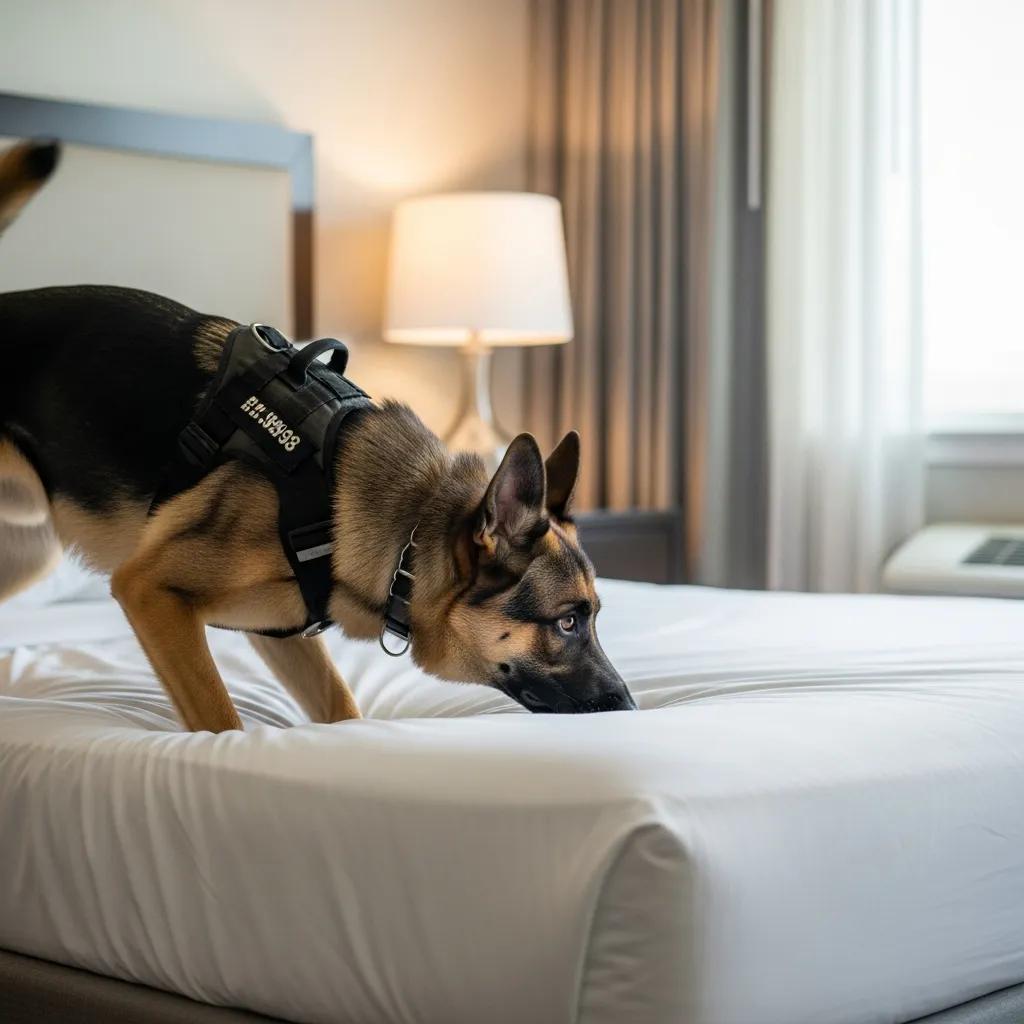
Canine scent detection is the trained ability of dogs to locate a specific odor amid many others. For bed bug inspections, dogs learn the scent signature of bed bugs and their eggs so they can quickly scan rooms, furniture, luggage, and other hiding places. This method is especially useful in homes, hotels, and multiunit buildings where early, accurate detection prevents costly spread.
Dogs can sweep large areas faster than humans, reduce the need for intrusive searches, and help limit the use of chemical treatments by pinpointing where intervention is truly needed.
How Do Bed Bug Detection Dogs Use Their Olfactory Abilities?
Dogs detect bed bugs through scent discrimination: they are trained to recognize the target odor and ignore non-target smells. Training typically involves repeated exposure to bed bug scent paired with rewards, which teaches the dog to indicate the source reliably.
Field studies show that training with live bed bugs or representative scent samples strengthens real-world detection skills.
Canine Bed Bug Detection: Olfaction & Training Dogs rely on smell rather than sight for this work, and training with live adult bed bugs has been shown to help canines learn to identify the correct scent. Ability of bed bug-detecting canines to locate live bed bugs and viable bed bug eggs, PG Koehler, 2008
Handlers guide the search and look for behavioral indicators — a sit, stare, or focused behavior — that mark a positive detection. That teamwork between dog and handler is what makes inspections effective.
Why Is Canine Scent Detection More Accurate Than Traditional Methods?
Canine scent detection outperforms many traditional approaches for several reasons:
Higher Accuracy Rates: Controlled studies have measured accuracy as high as 97.5%, outpacing unaided visual inspections.
Faster Coverage: Dogs can survey rooms and belongings far more quickly than a person doing a manual search.
Non-Invasive: Canine inspections avoid tearing apart furniture or using broad chemical treatments when they’re not needed.
These strengths make K9 teams an attractive first step for property owners who want fast, reliable answers.
What Are the Scientific Principles Behind Training Bed Bug Detection Dogs?
Training taps into well-understood principles of animal learning and olfaction. Dogs are conditioned to associate the bed bug scent with a reward, creating a strong, repeatable response. Trainers use controlled exercises and progressive challenges to ensure dogs respond accurately under real-world conditions.
Consistent reinforcement and periodic testing help maintain motivation and reliability during inspections.
Which Training Protocols Ensure High Detection Accuracy?
Effective training programs include several core protocols:
Scent Discrimination: Teaching dogs to distinguish bed bug odor from other background scents.
Positive Reinforcement: Rewarding correct alerts to build and sustain reliable responses.
Regular Evaluations: Ongoing proficiency checks to keep skills sharp and meet certification standards.
These steps form a consistent pathway from basic training to certified field readiness.
How Is Scent Imprinting Used in Bed Bug Detection Dog Training?
Scent imprinting is the early-stage process where a dog repeatedly experiences the bed bug scent paired with positive rewards. This creates a lasting recognition so the dog can pick the scent out of complex environments later on. Strong imprinting is especially important when inspections encounter masking odors or low-concentration scent traces.
How Are Bed Bug Detection Dogs Certified and What Standards Ensure Their Reliability?
Certification involves practical testing and ongoing evaluations to confirm a team's accuracy and professionalism. Requirements usually combine hands-on tests, documentation of training methods, and periodic rechecks to maintain certification over time.
Reliable certification focuses on consistent detection accuracy and the team’s ability to document findings and work safely with clients.
What Certification Processes Validate K9 Bed Bug Inspection Accuracy?
Typical certification steps include:
Testing Methods: Practical exams where dogs locate bed bugs in controlled scenarios to demonstrate detection skills.
Ongoing Proficiency: Regular re-evaluations to ensure continued accuracy and performance.
Regulatory Guidelines: Standards and best practices that trainers and handlers follow to maintain quality and client confidence.
These measures help ensure certified K9 teams offer dependable inspections.
How Do Certified K9 Trainers Improve Detection Performance?
Certified trainers refine detection performance through targeted exercises, data-driven feedback, and regular maintenance training. They tailor programs to each dog's strengths and address any weaknesses, using real-world scenarios to build reliability under inspection conditions.
What Does the Bed Bug Inspection Process Involving Detection Dogs Entail?
Our inspections follow a clear, three-step process:
Preparation: We minimize distractions and set up the area so the dog can work effectively.
Inspection: The handler guides the dog through rooms, furniture, and likely harborage sites while noting any positive alerts.
Post-Inspection Reporting: We provide a detailed report of findings and recommended next steps for treatment or monitoring.
This structure ensures thorough coverage and clear, actionable results.
How Long Does a Typical K9 Bed Bug Inspection Take?
Inspection time depends on property size and complexity. A small apartment may take about 30–60 minutes, while larger homes or multiunit properties can take a few hours. In most cases, K9 inspections are faster than manual searches and help you respond sooner.
Can Detection Dogs Identify Bed Bugs in All Environments?
Yes—detection dogs work in homes, hotels, offices, and other commercial settings. That said, extreme background odors, heavy airflow, or unusual environmental conditions can make scent detection harder. Handlers account for these factors in their search strategy to get the best results.
What Are the Benefits of Using Trained Bed Bug Detection Dogs for Residential and Commercial Clients?
Working with trained bed bug detection dogs delivers clear advantages:
Accurate Detection: K9 teams find infestations with high reliability, lowering the chance of missed bugs.
Cost Savings: Early, precise detection often reduces the scope and cost of treatments.
Peace of Mind: Knowing a trained team verified the space gives property owners and managers confidence to act.
Together, these benefits make K9 inspections a smart part of any pest-management plan.
How Does Canine Detection Provide Peace of Mind to Property Owners?
Canine detection gives property owners clear, evidence-based results quickly and non-invasively. High accuracy rates and a focused inspection reduce uncertainty and minimize disruption, so owners can make informed decisions about treatment or monitoring.
What Success Stories Demonstrate the Effectiveness of K9 Bed Bug Inspections?
Many clients report finding infestations that went unnoticed with visual checks alone. Hotels and multiunit buildings often avoid guest complaints and costly closures when K9 teams catch problems early. Those real-world wins show how detection dogs complement broader pest-control programs.
What Are Common Questions About Bed Bug Detection Dog Training and Accuracy?
Property owners commonly ask about:
Training Methods: How dogs are taught to recognize bed bug scent.
Accuracy Rates: How reliable trained dogs are in the field.
Performance Factors: What influences detection success.
Answering these helps set realistic expectations for what K9 inspections can and can’t do.
How Accurate Are Bed Bug Detection Dogs?
When properly trained and handled, detection dogs have reached 97.5% accuracy in controlled tests, and our certified K9s work at 98%. Handler experience and inspection conditions matter, but overall certified K9 teams are among the most reliable tools for locating bed bugs.
How Can Property Managers Arrange a Certified K9 Bed Bug Inspection?
Property managers can book a certified K9 inspection by contacting a reputable provider. The typical steps are:
Confirm Certification: Verify the K9 team’s credentials and training standards.
Schedule: Choose a time that minimizes disruption for occupants.
Prepare: Follow simple preparation guidance so the dog can work effectively.
Following these steps helps ensure a smooth, effective inspection.
TriState Bed Bug Dogs is a leading provider of certified K9 bed bug inspection services.
For answers to common questions, see our K9 bed bug inspection FAQ.
Learn more about our team and company at TriState Bed Bug Dogs.